Operations

Operations

The service area, the shared operational structure and the safety standards that sustain pilotage services within Pilotage Zone ZP-05.

Service area — 01

Port of Mucuripe
Port of Mucuripe

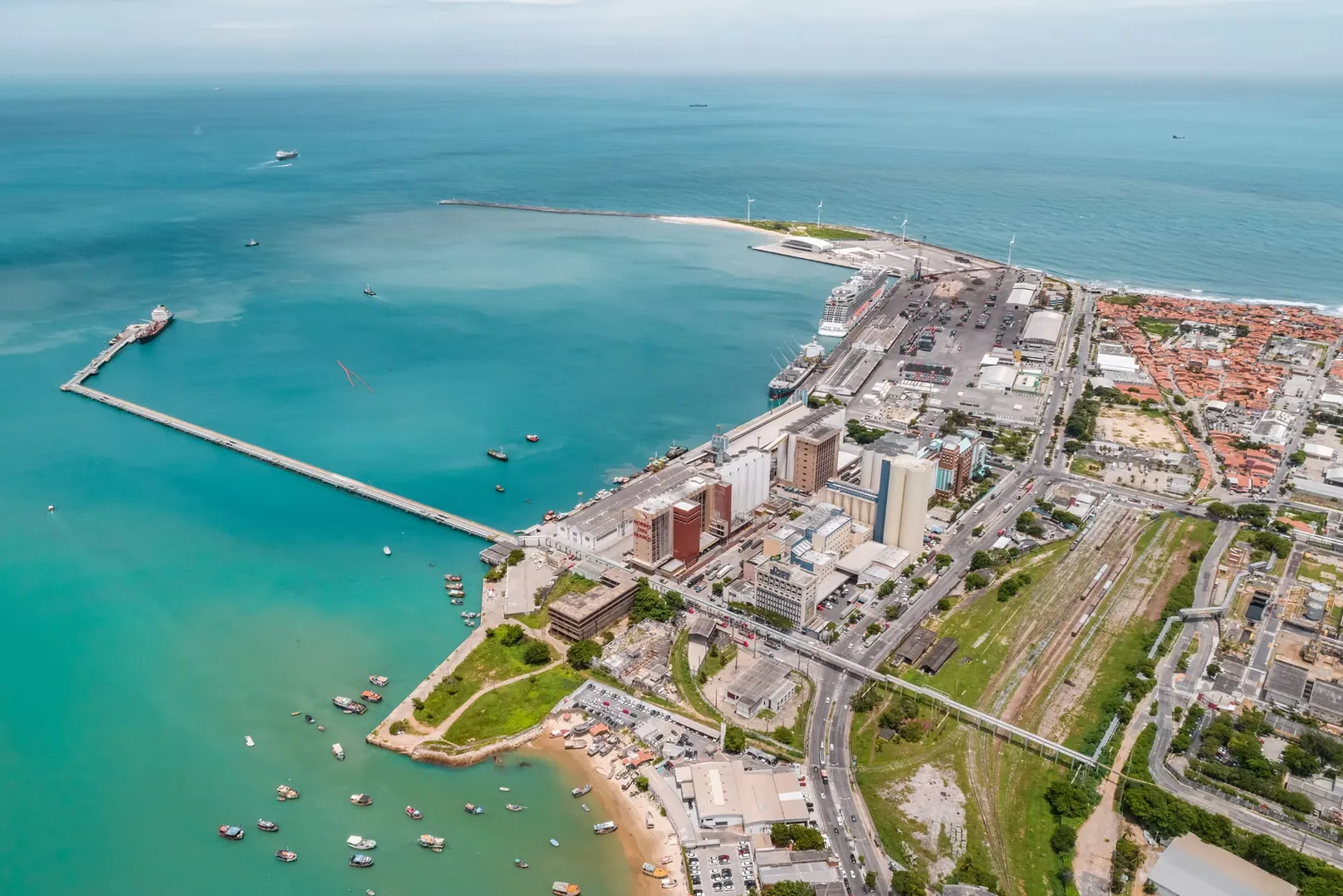
With over half a century of operation, the Port of Fortaleza — also known as the Port of Mucuripe — is one of Brazil's most important and strategic maritime terminals. Its privileged location, on Mucuripe Bay in Fortaleza/CE, places the port close to North American and European markets.

The terminal serves shipping companies operating regular services to ports in the United States, Canada, Central America, the Caribbean, Europe, Africa and Mercosur countries, as well as cabotage services to other Brazilian ports. Its area of influence covers the states of Ceará, Piauí, Maranhão, Rio Grande do Norte, Pernambuco and Paraíba, extending to the North and Center-West regions and the São Francisco Valley.

The Port of Mucuripe hosts one of Brazil's largest wheat hubs, alongside versatile infrastructure that handles solid bulk, liquid bulk and general cargo — both breakbulk and containerized.
Service area — 02

Pecém Port Complex

Pecém Port Complex

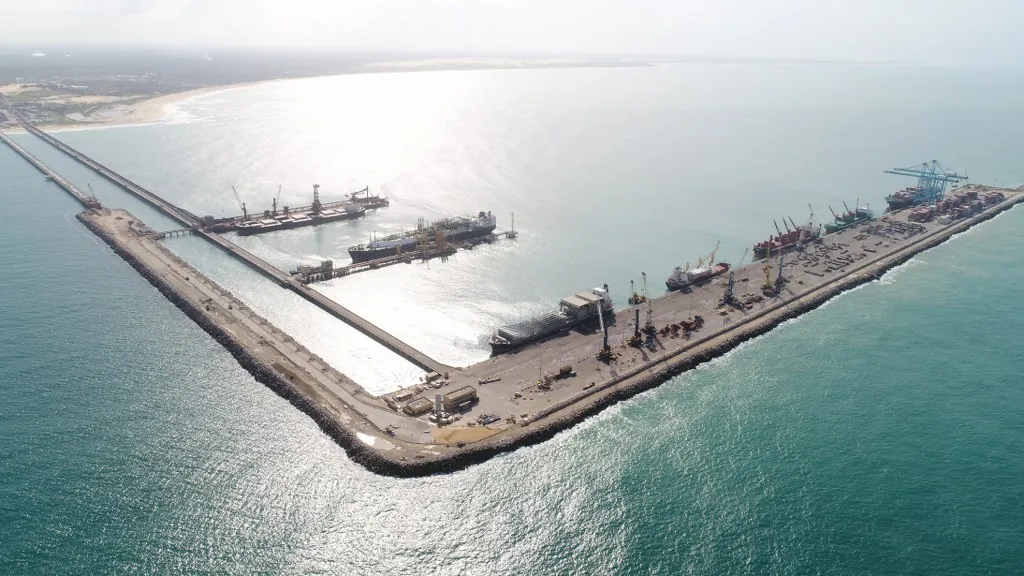
The Pecém Port Complex is a maritime terminal designed to enable efficient and highly competitive port operations, with road and rail access free and independent of the constraints imposed by urban centers.

In terms of maritime infrastructure, the terminal was designed to accommodate the vast majority of commercial vessels in operation, with berths at depths compatible with the latest generation of ships — both bulk carriers and general-cargo vessels, including container ships.

It comprises three maritime piers: Pier 1, for solid bulk, liquid bulk and non-containerized general cargo; Pier 2, for liquid bulk; and TMUT, for solid bulk and both containerized and non-containerized general cargo.

Since this is an offshore terminal, its berthing piers are sheltered from waves and currents by an L-shaped berm breakwater 2,770 m long. The piers are linked to the mainland by a road bridge connecting the storage yard to the berthing facilities.

Structure — 03

Pilot station — control center

Pilot station — control center

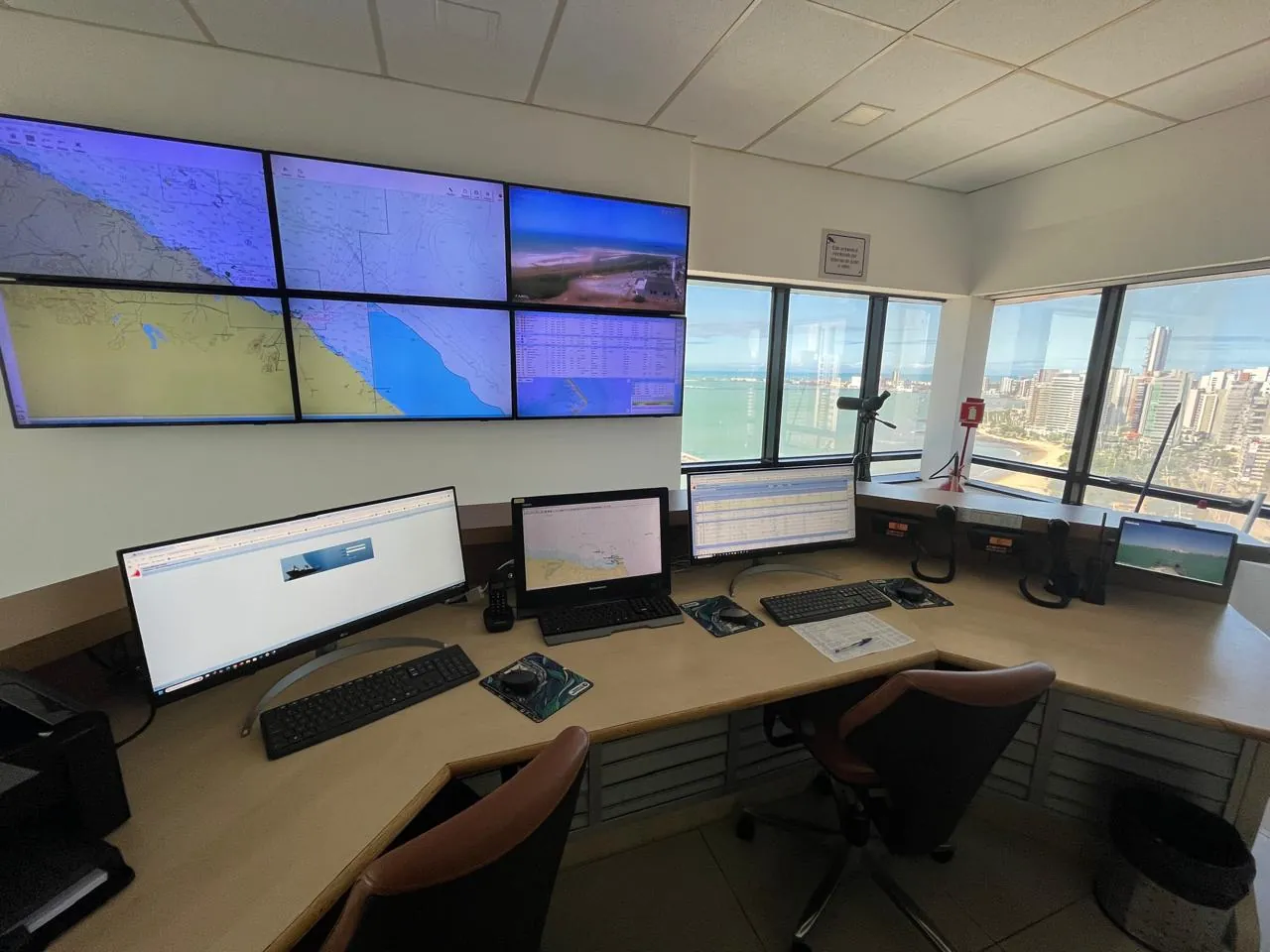
The Atalaia is the pilot station and operational control center maintained by Ceará Pilots to coordinate pilotage at both ZP-05 ports. It operates on a 24/7, 365-day duty basis without interruption. Every maneuver request — arrival, departure, shifting, anchoring, weighing anchor — passes through the control center, which organizes pilot rosters, dispatches the launch and maintains communication with the ship, maritime agents and the port and maritime authorities.

Maneuver scheduling

Receipt, verification and organization of pilotage requests for the ports of Mucuripe and Pecém, in coordination with maritime agencies, the port authority and the Ports Captaincy.

Communication with ships

Contact with masters and bridge officers via VHF and other official channels, in line with traffic and navigational safety protocols.

Boarding coordination

Dispatch of the pilots on duty and the launch crew, ensuring the pilot arrives on board at the planned time and location.

Operational monitoring

Monitoring of ongoing maneuvers, weather and sea conditions, and the availability of support resources.

Records & traceability

Systematic documentation of every maneuver — times, conditions, incidents — for operational, statistical and auditing purposes.

Liaison with authorities

A direct, permanent channel with the Ports Captaincy, port authorities and other agencies involved in port operations.

Structure — 04

Launch fleet

Launch fleet

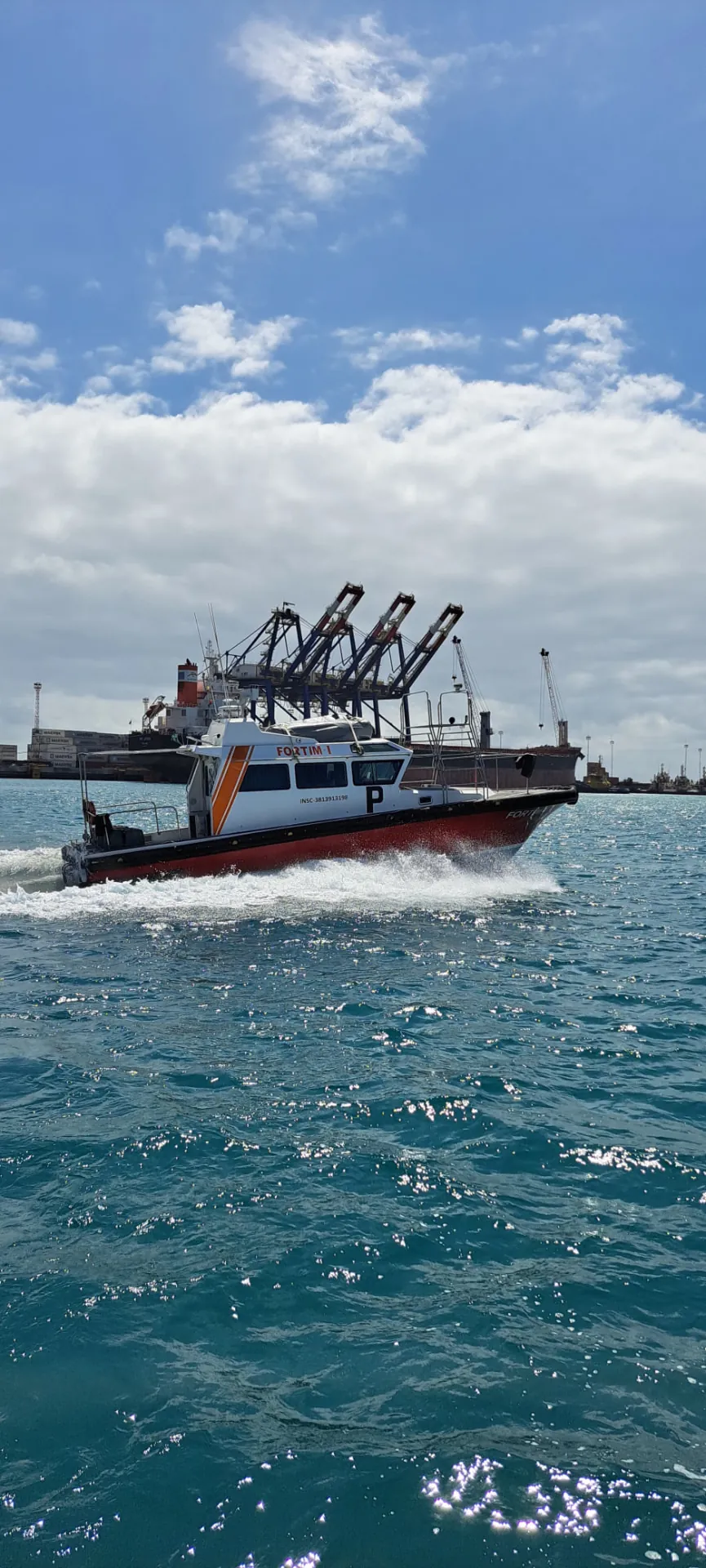
Ceará Pilots operates three pilot launches — Flexeiras, Fortim and Taíba III — all twin-engined and kept on 24-hour standby. This redundancy ensures continuous availability even during scheduled maintenance. The vessels are crewed by licensed seafarers and operate exclusively for pilotage services within ZP-05.

Vessel

Flexeiras

Pilot launch · twin-engine

Vessel

Fortim

Pilot launch · twin-engine

Vessel

Taíba III

Pilot launch · twin-engine

Structure — 05

Support staff

Ceará Pilots' support staff includes launch crews on 24-hour rosters, control-center operators on uninterrupted duty, a dedicated maintenance team and an administrative team. Staffing is sized to guarantee full, simultaneous coverage of both ports under Ceará Pilots' responsibility.

01

Launch crews

Licensed seafarers who operate the pilot launches on a 24-hour roster, transferring the pilot to the ship under maneuver and returning safely to the pier in every authorized operating condition.

02

Control-center operators

Uninterrupted duty at the control center — receiving requests, scheduling maneuvers, communicating with ships and authorities, keeping operational records and dispatching support resources.

03

Maintenance

A dedicated team for preventive and corrective maintenance of launches, on-board systems, communications equipment and physical infrastructure, ensuring full availability of operational resources.

04

Administration

Financial, legal, accounting and HR management, and relations with clients, maritime agencies, port authorities and the Maritime Authority.

Structure — 06

24-hour operation

Commercial shipping never stops. Ships arrive and depart at any hour of the day, on any day of the year, under any operating condition compatible with safety. Pilotage, by legal requirement and technical necessity, keeps that pace.

Within ZP-05, Ceará Pilots maintains an uninterrupted duty regime — 24 hours a day, 365 days a year — with pilots rostered, launch crews on standby, control-center operators on shift and support resources available at all times. The 12 pilots work on a shared roster sized to guarantee simultaneous coverage of both ports.

07 — Safety

Safety & best practices

Safety & best practices

Safety is not an optional attribute of the pilotage service — it is its very reason for existing. Every technical decision by the pilot and every operational routine at Ceará Pilots is guided by the mitigation of risks to human life, the vessel, the environment and port assets. Ceará Pilots complies with the regulations of the Brazilian Maritime Authority, IMO standards and the best practices recognized by the world's leading technical bodies.

01

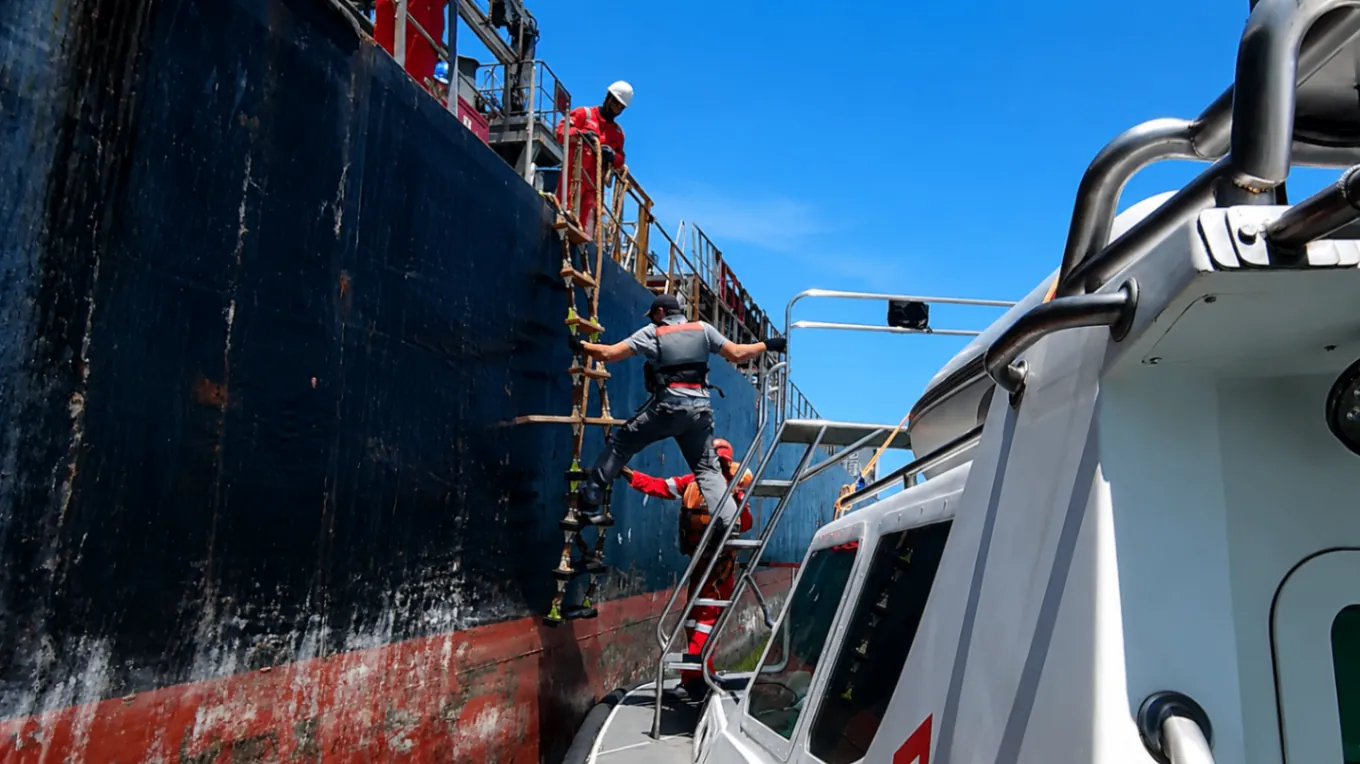
Pilot boarding and disembarking

Pilot ladder compliant with SOLAS Regulation V/23 and IMO Resolution A.1045(27): material, dimensions, securing, lighting, combination with the accommodation ladder and supervision by a responsible officer. Non-conformities are the leading documented cause of serious accidents involving pilots.

SOLAS V/23IMO A.1045(27)IMPA Pilot Ladder Poster

02

Mooring and unmooring

Mooring plan matched to the ship's size, berth and weather conditions; lines in proper condition and correctly sized; winches with calibrated brakes; teams trained to recognize snap-back zones.

OCIMF MEG4IHMA Mooring Guidelines

03

Communication between the bridge team and the pilot

Master/Pilot Information Exchange (MPX) prior to the maneuver, IMO Standard Marine Communication Phrases (SMCP), VHF use on designated channels and clarity of orders throughout every phase of the maneuver.

IMO SMCPIMPA MPX Checklist

04

Weather and sea conditions

Continuous assessment of wind, swell, current and visibility. Operational limits by berth, ship type and vessel condition are honored in every decision to start, continue, abort or postpone a maneuver.

PIANC Harbour Approach Channels

Normative references

International technical basis

  • SOLAS — Safety of Life at Sea
  • IMO Resolution A.1045(27)
  • IMO SMCP — Standard Marine Communication Phrases
  • IMPA — International Maritime Pilots' Association
  • IHMA — International Harbour Masters' Association
  • OCIMF MEG4 — Mooring Equipment Guidelines
  • PIANC — Harbour Approach Channels Design Guidelines
  • NORMAM-311 — DPC / Brazilian Navy